Source Snakeskin Casual Tote Handbag for Travel, Work, Shopping
Explore 30 listings for the snakeskin casual tote handbag, comparing features like lining material, size, and closure types. Buyers can evaluate options ranging from neoprene to leather with various colors and customization availability for travel, work, and shopping needs; compare the available evidence and request quotations based on your requirements.
Key considerations
Products List






Comprehensive Sourcing Guide
Snakeskin Casual Tote Handbag Sourcing Guide
Procuring a snakeskin casual tote handbag requires distinguishing between genuine exotic leather and synthetic alternatives that mimic the texture. While the supplied data highlights specific models with leather linings and canvas textures, buyers must verify if the exterior material matches the "snakeskin" aesthetic through physical inspection or high-resolution imagery. The observed product attributes indicate a focus on fashion and popular styles, suggesting that the market offers diverse options ranging from high-quality leather to neoprene and polyester blends.
Buyers should prioritize suppliers who explicitly define the material composition, as the provided facts list various linings including acrylic, polyester, and polyester-cotton. Since the data mentions a "Leather" standard and a "High Quality" attribute, it is critical to confirm whether the snakeskin pattern is embossed on genuine leather or printed on synthetic fabric. This distinction directly impacts durability, price, and the ethical compliance of the supply chain, making material verification the first step in any sourcing strategy.
Product Scope and Observed Listing Signals
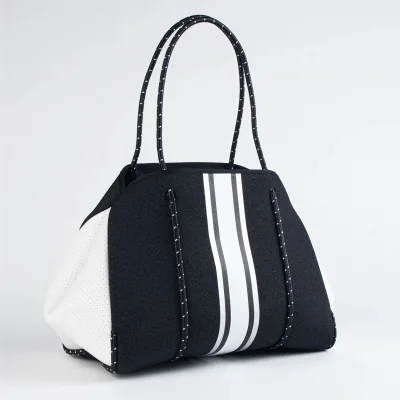
The observed product listings reveal a wide range of specifications, including models with specific dimensions like 383024cm and others with customizable shapes. While the core keyword focuses on snakeskin totes, the available data includes items labeled as "Neoprene Beach Bag" and "Tote Bag" with varying closure types such as buttons. This indicates that the market segment is broad, and buyers must filter listings carefully to find products that specifically match the desired snakeskin texture and casual tote silhouette rather than generic beach or travel bags.
Listing signals such as "Customization: Available" and "Colors: customization" suggest that many suppliers offer tailored solutions for branding and design preferences. However, the presence of specific model numbers like B999000272 alongside generic descriptions like "Fashion" style requires careful cross-referencing to ensure the product matches the intended aesthetic. Buyers should look for clear visual evidence of the snakeskin pattern and verify that the "Popular Style Name" aligns with current market trends for casual handbags.
Technical Specifications to Verify
Technical verification must begin with the physical dimensions and weight capacity, as the data shows specific size ranges and a bearing capacity of 3-10 kg. For a casual tote, the structural integrity of the handles and the depth of the bag are crucial for daily utility. Buyers should request detailed size charts for L, M, and S sizes to ensure the bag meets the storage needs of their target demographic, noting that some listed items have single package sizes as small as 1x1x1 cm, which may indicate compact packaging rather than the actual product dimensions.
Material composition is another critical technical specification, with observed data listing materials ranging from leather to neoprene and canvas. Since the product is described as a "casual tote," the lining material, whether acrylic, polyester, or polyester-cotton, will affect the bag's durability and water resistance. Buyers must confirm that the "Can It Be Washed with Water" attribute is clearly defined, as the data indicates some items are not washable, which is a significant factor for a casual bag intended for frequent use.
Compliance and Safety Documentation
Compliance documentation for leather and synthetic handbags often involves verifying the origin and treatment of the materials used. The supplied facts mention a "Leather" standard and an origin in Guangdong, China, which are key regions for leather processing. Buyers should request certificates of origin and material safety data sheets to ensure the leather or synthetic alternatives do not contain prohibited substances, adhering to international safety standards for consumer goods.
Safety testing for hardware and closures is equally important, especially given the "Button" closure type observed in some listings. Buyers need to ensure that metal components meet specific tensile strength requirements to prevent breakage during use. Additionally, if the product claims a "5 Years" warranty, the supplier must provide documentation supporting this claim, including quality control records and testing results that validate the longevity of the stitching and material integrity.
Cost Drivers and Commercial Terms
Cost drivers for snakeskin casual totes are heavily influenced by the material source, with genuine leather commanding a higher price point than synthetic alternatives like neoprene or canvas. The observed MOQ range of 1 to 1000 pieces suggests flexibility, but the specific listing with an MOQ of 300 pcs indicates that larger orders may be required for custom branding or specific material configurations. Buyers should analyze the supply ability, such as the 10,000 pieces per month capacity, to ensure the supplier can meet volume demands without compromising quality.
Commercial terms also include packaging details and shipping logistics, with data showing options like "1pc/pp Bag" or "1pc/poly Bag" and a dispatch port in Shenzhen. These factors affect the final landed cost and must be factored into the total procurement budget. Buyers should negotiate based on the single gross weight of 0.12 kg and the carton packing method to optimize shipping efficiency, ensuring that the cost per unit remains competitive while maintaining the high-quality standards expected for fashion accessories.
Supplier Qualification and Quality Control
Supplier qualification should focus on their ability to maintain consistent quality across different material types, as the data lists various products from leather to neoprene. A qualified supplier must demonstrate a robust quality control process that covers material inspection, stitching integrity, and hardware durability. The mention of "High Quality" and "Fashion" attributes in the listings implies that the supplier has a track record of producing items that meet market expectations, but this must be validated through on-site audits or third-party inspections.
Quality control checks should also verify the customization capabilities, as the data indicates that colors and shapes are customizable. Buyers must ensure that the supplier has the technical expertise to execute custom designs without compromising the structural integrity of the bag. The "Warrenty: 5 Years" claim, if accurate, serves as a strong indicator of supplier confidence, but it requires a clear agreement on what constitutes a defect and the process for handling returns or replacements.
Long-Term Procurement Checks
Long-term procurement success depends on establishing a reliable supply chain that can adapt to changing fashion trends and material availability. Buyers should monitor the supplier's ability to maintain the "Popular Style Name" and "Design: Popular" attributes over time, ensuring that the product remains relevant in the market. Regular communication and periodic quality audits are essential to maintain the high standards associated with the "High Quality" label and to prevent any degradation in product performance.
Finally, buyers must track the supplier's performance against the stated "Supply Ability" and "MOQ" requirements to ensure scalability. As the market evolves, the ability to adjust order volumes and customize designs will be critical for maintaining a competitive edge. Establishing a long-term partnership with a supplier who can consistently deliver on these fronts will secure a steady flow of high-quality snakeskin casual tote handbags for the business.
FAQs
What materials are used for the lining of these tote bags?
The lining materials vary by model, with options including Acrylic, Polyester, and Polyester-Cotton blends. These materials are selected to provide durability and structure for daily use. Buyers should check the specific product model number to confirm the exact lining composition before placing an order.
Can these tote bags be washed with water?
No, these bags cannot be washed with water. The product specifications explicitly state that water washing is not recommended. To maintain the integrity of the materials, such as leather or neoprene, dry cleaning or gentle surface wiping is advised to prevent damage to the structure and finish.
What is the minimum order quantity for custom orders?
The minimum order quantity is typically 300 pieces for standard configurations. However, this can vary based on customization requirements and specific product models. Buyers seeking smaller quantities should contact suppliers directly to negotiate terms, as some vendors may offer flexible MOQs for trial orders or specific styles.
Which sizes are available for the neoprene beach bag models?
Available sizes include Large at 38x30x24cm, Medium at 36x31x16cm, and Small at 20x16x9cm. These dimensions cater to different storage needs, from daily essentials to larger travel items. The shape can also be customized to meet specific design requirements for unique branding or functional preferences.
What is the warranty period for the leather fashion bags?
The warranty period for these high-quality leather fashion bags is five years. This coverage ensures durability and quality assurance for the product. Buyers should retain proof of purchase to utilize this warranty, which covers manufacturing defects and material integrity issues under normal usage conditions.
Where are these tote bags manufactured and shipped from?
These bags are manufactured in Guangdong, China, and shipped from the Shenzhen port. This location allows for efficient logistics and supply chain management. Buyers should consider lead times and shipping costs associated with dispatch from Shenzhen when planning their inventory and delivery schedules for global distribution.